Ginger Tea for Cold Weather: When It Fits and When to Skip It
A warm, comforting daily ritual for colder days - with clear safety guidance on who should avoid it.
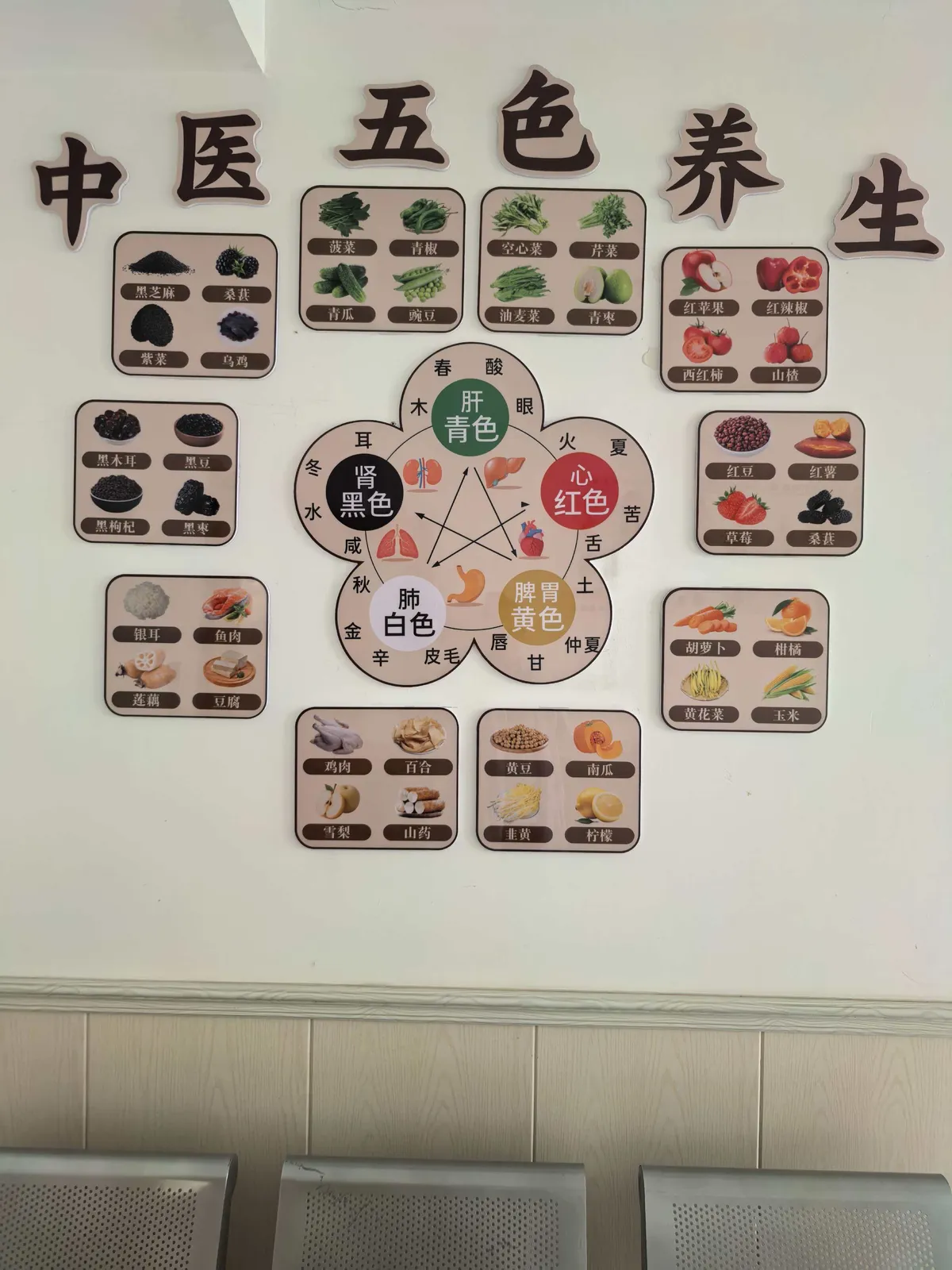
In Chinese wellness tradition, food is seen as part of daily self-care. The idea is simple: what you eat, when you eat, and how you prepare it can support your comfort and everyday balance. This is not about restrictive diets, "detoxing," or treating medical conditions. It's about practical, enjoyable food habits.
A warm, comforting daily ritual for colder days - with clear safety guidance on who should avoid it.
A warm bowl of noodles for cold-weather comfort and simple everyday eating.
A simple, gentle rice porridge with easy variations.
A gentle, naturally sweet breakfast - with a caffeine-free tea option.
How TCM understands occasional constipation, plus food therapy ideas and acupressure points for digestive comfort.
Four gentle Chinese herbal tea recipes traditionally used for throat and cough comfort.
Why ginger tea is a traditional go-to for digestive comfort, and what the research says.
How TCM understands dampness, signs to look for, and gentle herbal tea recipes.
How TCM understands stomach inflammation and gentle food therapy ideas for digestive ease.
How TCM understands fever as a pattern, and the role of cooling foods and gentle external methods.
Three simple Chinese herbal tea blends — a calming tea, a cooling tea, and a digestive tea.
Why ginger tea is a traditional go-to for headache comfort, and what the research says.
A beginner-friendly guide to common Chinese herbal tea ingredients — flowers, fruits, roots, and barks.
Start With the Free Guide
Get the free 7-Day Chinese Self-Care Starter Guide by email first. The full PDF book includes ten gentle food therapy recipes with seasonal guidance when you want more structure.