Chinese Herbal Tea for Dampness: How to Tell and What to Drink
Introduction
You may have heard the word "dampness" (湿, shi) mentioned in discussions about Traditional Chinese Medicine (TCM) — and wondered what it actually means. It is one of TCM's most distinctive concepts, and it does not have a direct Western medical equivalent.
Loosely speaking, dampness describes a pattern where the body's fluids are not being processed and circulated efficiently. Think of it as internal humidity — a sense of heaviness, sluggishness, and stickiness that affects how you feel physically and mentally.
This article explains what dampness means in TCM theory, how to recognize the common signs, and which herbal teas from Chinese food culture are traditionally used to address it. It is for general wellness education only. It does not diagnose, treat, or cure any medical condition.
What Is "Dampness" in TCM?
In TCM, the body's fluids — including water, lymph, digestive juices, and synovial fluid — are managed by several organ systems. The spleen (which in TCM is a broader functional concept than the anatomical organ) plays the central role. It is said to "transform and transport" fluids — extracting useful moisture from food and drink and distributing it where needed, while sending waste downward for elimination.
When the spleen's transforming function is weakened, fluids are not processed properly. Instead of being circulated or eliminated, they accumulate. This accumulation is what TCM calls dampness (湿).
What Weakens the Spleen (in TCM Terms)?
- A diet heavy in cold, raw, greasy, or sweet foods
- Eating irregularly or overeating
- Prolonged stress and overthinking (TCM associates excessive mental activity with spleen strain)
- Living or working in damp environments
- Lack of physical movement
- Constitutional tendency (some people are simply more prone, in TCM terms)
What Dampness Feels Like
TCM texts describe dampness as heavy, sticky, and slow-moving. Common signs discussed in TCM educational materials include:
- A sensation of heaviness in the body — feeling "weighed down"
- Foggy-headedness or difficulty concentrating
- Bloating and a sense of fullness after eating
- Loose stools or a sense of incomplete elimination
- A thick, greasy tongue coating (a key TCM diagnostic sign)
- Fluid retention — puffiness in the face, hands, or ankles
- A dull complexion that looks "muddy" rather than clear
Dampness can also combine with heat or cold to form more complex patterns:
- Damp-heat: Heaviness plus heat signs — oily skin, strong-smelling stools, a yellow tongue coating, feeling hot and sticky
- Cold-damp: Heaviness plus cold signs — feeling chilled, worsened by cold weather, a thick white tongue coating
These are TCM theoretical constructs, not medical diagnoses. They are presented to help explain the traditional framework, not as a self-diagnosis tool.
Three Traditional Teas for Dampness
The following recipes come from Chinese food culture and are traditionally consumed as part of everyday dietary practice. They are warm, comforting beverages — not medicines.
1. Red Bean, Coix Seed and Fox Nut Tea
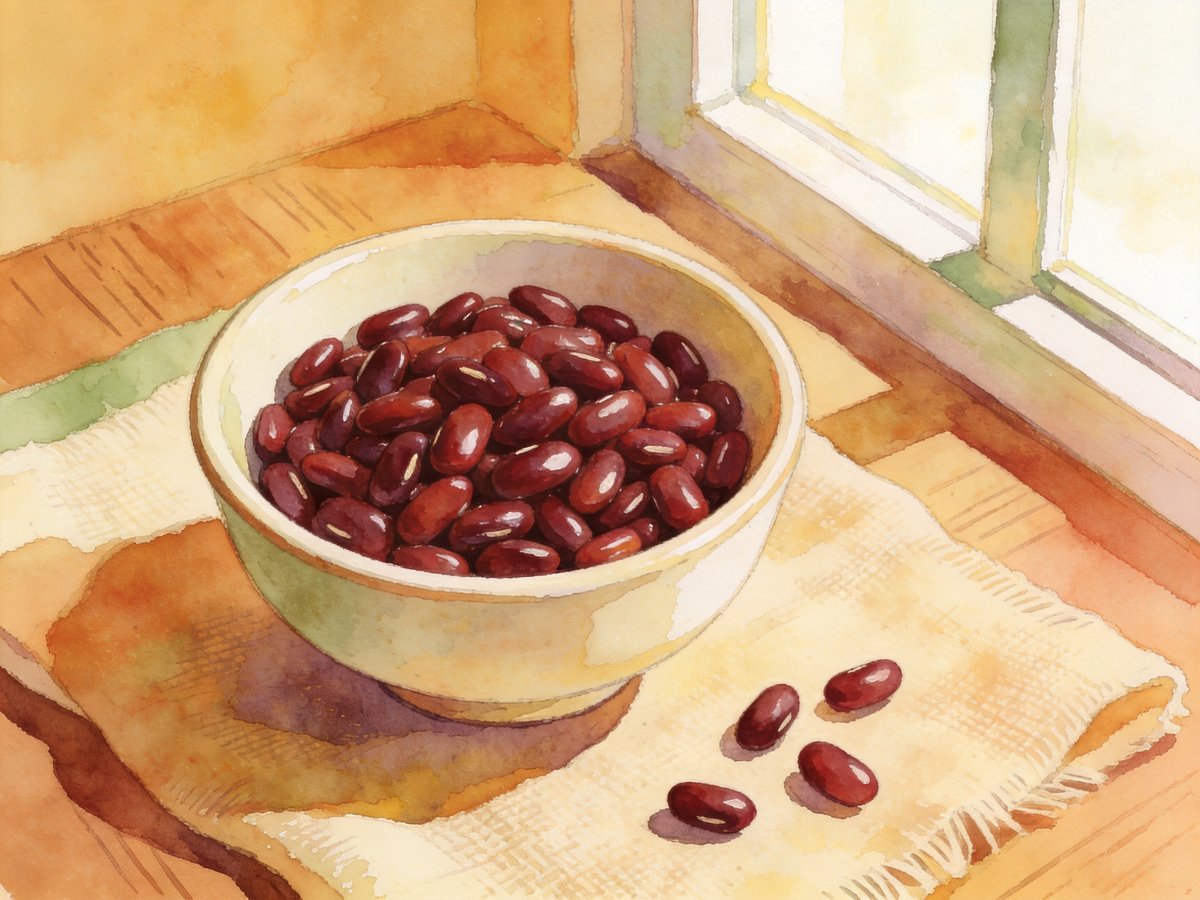
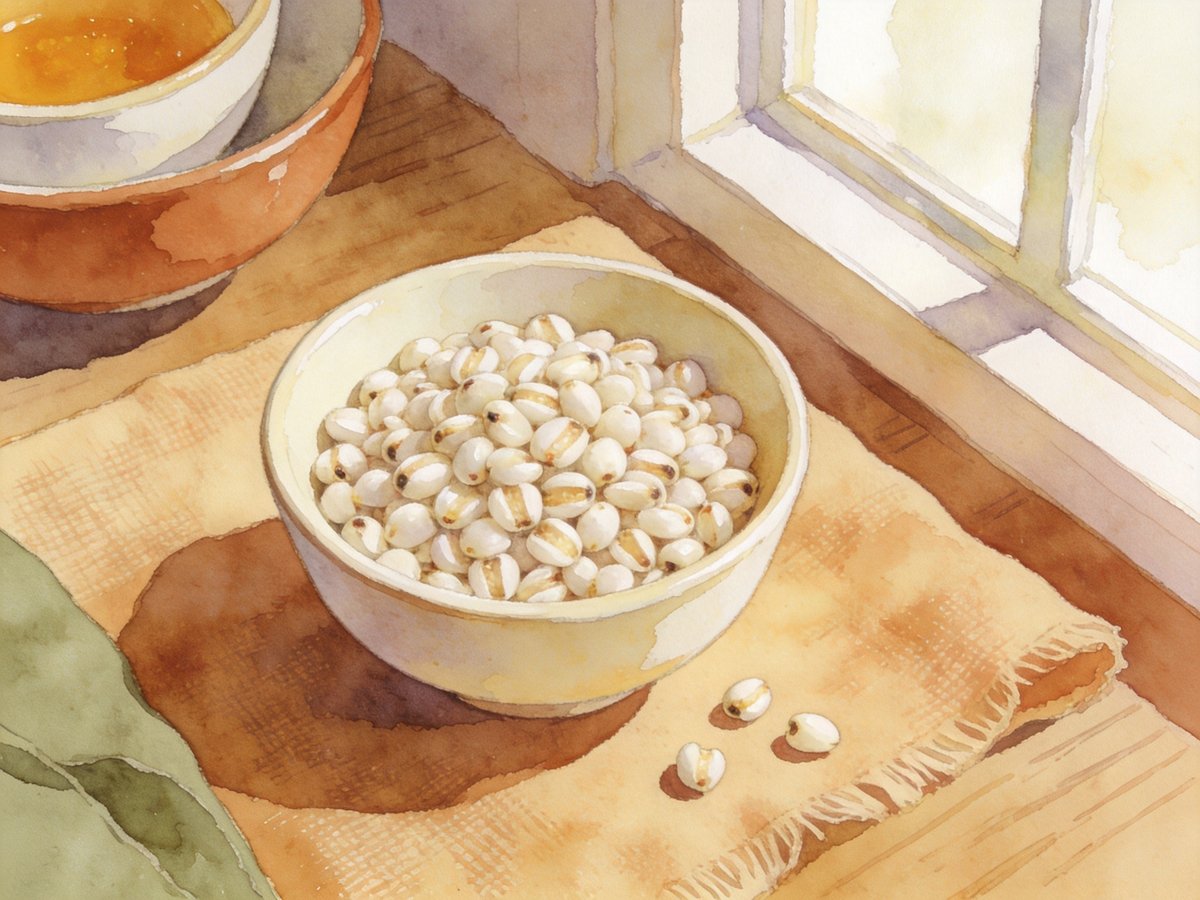
This is perhaps the best-known dampness-draining tea in Chinese folk tradition. It combines three ingredients that TCM food therapy traditionally regards as gently diuretic and spleen-supporting.
Ingredients:
- Red adzuki beans (chi xiao dou, 赤小豆): About 30 grams. In TCM, these are considered to promote urination and reduce swelling. Note: These are the small, dark red adzuki beans — not the larger red kidney beans.
- Coix seed / Job's tears (yi mi, 薏米): About 30 grams. In TCM, coix seed is thought to drain dampness and support the spleen. It is a staple of Chinese dietary therapy.
- Fox nut / Gordon euryale seed (qian shi, 芡实): About 15 grams. In TCM, this is considered to strengthen the spleen and stabilize — providing a gentle binding effect to balance the draining action of the other two.
Method:
- Rinse all three ingredients well.
- Soak the adzuki beans and coix seed in water for 2-4 hours (or overnight). This shortens the cooking time.
- Place all ingredients in a pot with about 6-8 cups of water.
- Bring to a boil, then reduce heat and simmer gently for 45-60 minutes, until the beans are soft and the liquid has reduced somewhat.
- The resulting liquid is your tea. The cooked beans and seeds can be eaten or discarded.
Drink: One cup, warm, once daily. This is a food, not a treatment. Do not consume in large quantities expecting a medical effect.
Caution: Coix seed is traditionally avoided or used with caution during pregnancy. If you are pregnant, skip this tea.
2. Tangerine Peel and Poria Tea
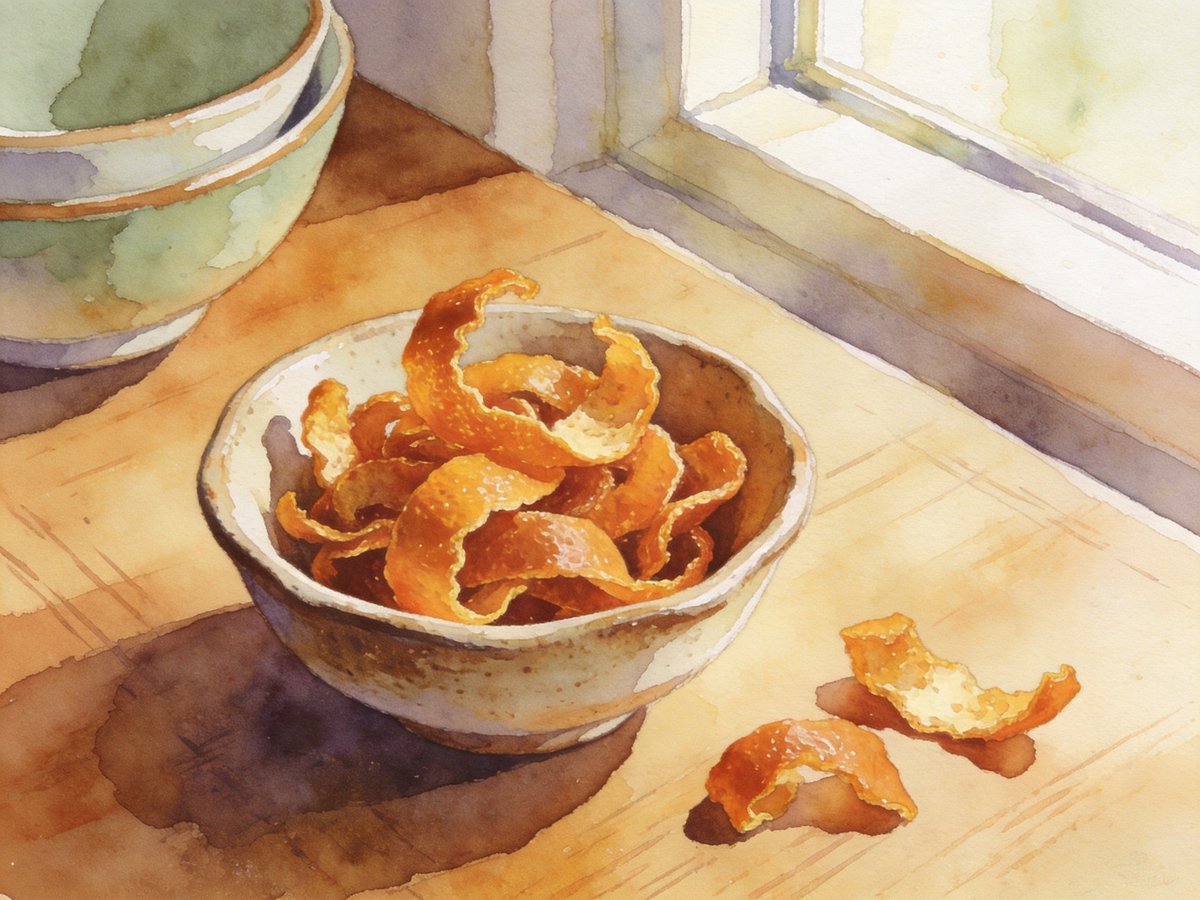
This is a simpler, quicker tea based on two classic TCM ingredients for dampness.
Ingredients:
- Dried tangerine peel (chen pi, 陈皮): About 5 grams — roughly a small handful of pieces. The older the peel, the more valued it is in TCM. Chen pi is traditionally used to regulate qi and dry dampness in the digestive system.
- Poria (fu ling, 茯苓): About 10 grams, sliced. Poria is a fungus that grows on pine tree roots and has been used in Chinese medicine for centuries. In TCM, it is considered a gentle diuretic and spleen tonic.
Method:
- Rinse both ingredients briefly.
- Place in a small pot with 2 cups of water.
- Bring to a boil, then reduce heat and simmer for 15-20 minutes.
- Strain and drink warm.
Drink: A cup in the morning or early afternoon. Because poria has a mild diuretic effect, avoid drinking it right before bed.
3. Lotus Leaf and Tangerine Peel Tea
A light, refreshing option — especially suitable for warm weather, when dampness and heat tend to combine.
Ingredients:
- Dried lotus leaf (he ye, 荷叶): About 5 grams, torn into small pieces
- Dried tangerine peel (chen pi, 陈皮): About 3 grams
Method:
- Place both ingredients in a teapot or large mug.
- Pour freshly boiled water over them — about 1½ cups.
- Cover and steep for 10 minutes.
- Strain and drink. Can be enjoyed warm or at room temperature.
Lotus leaf is a food-grade item, not a medicine. It is traditionally included in Chinese summer teas for its perceived cooling and lightening qualities.
Lifestyle Habits That Support Fluid Balance
TCM and modern wellness advice agree on several practical habits:
- Cooked, warm foods over cold and raw: Give your digestive system less work to do. Soups, stews, congee, and steamed vegetables are gentler than large salads and iced drinks.
- Moderate intense sweet and greasy foods: Both TCM and modern nutrition recognize that excess sugar and fried foods burden the digestive system. TCM specifically identifies these as "dampness-producing."
- Gentle daily movement: Movement circulates fluids. A short walk after meals is a classic Chinese health habit. Even 15-20 minutes a day helps.
- Avoid overly damp environments: If your living space is humid, consider a dehumidifier. Dry clothing and bedding properly.
- Eat at regular times: The spleen, in TCM theory, thrives on routine. Consistent meal times help the digestive system anticipate and prepare.
Important Limitations
These teas come from Chinese food culture and are consumed as part of everyday dietary practice. They are not treatments for any medical condition. Here is what they are not:
- Not a cure for bloating, IBS, or digestive disorders
- Not a weight-loss aid (though "dampness" is sometimes misappropriated in weight-loss marketing)
- Not a substitute for medical evaluation of persistent fatigue, swelling, or digestive symptoms
- Not a detox or cleanse — the body's liver and kidneys do that naturally
Keeping a Two-Week Dampness Note
Dampness in TCM shifts week to week, so a two-week note beats one rough afternoon. Keep one line a day:
- How you felt: heaviness, bloating, foggy head, energy
- What you ate and drank, especially sweets, fried food, cold drinks
- What you drank as tea or water, and when
A notebook or phone note works. Write at the same time each day so it stays quick. After two weeks, read it back and look for patterns, not one bad day.
Avoid over-reading. A heavy dinner proves nothing, and a log is not a diagnosis. For what goes into each cup, see Chinese herbal tea ingredients.
Three Teas Side by Side
The three recipes above differ less in what they are for than in how they taste and how much of your morning they take. A quick table, then the detail:
| Tea | Hands-on time | Taste | Best moment | Ingredients to buy |
|---|---|---|---|---|
| Red bean, coix and fox nut | 15 min + 45–60 min simmering | Sweet, mellow, slightly starchy | A weekend morning, or a day you are home anyway | 3 items, all shelf-stable |
| Tangerine peel and poria | 20 min total | Lightly bitter, earthy, clean finish | Early morning before food | 2 items |
| Lotus leaf and tangerine peel | 10 min steeping | Bright, floral-citrus, faintly grassy | Hot afternoons; also good served cool | 2 items, the cheapest to try |
If you only ever buy one set of ingredients, the tangerine peel and poria pair is the most forgiving place to start: two items, twenty minutes, and a taste that most people find neutral enough to drink without adding anything.
Which of the Three Teas Fits Which Day
Taste and timing decide most of it.
- Red bean and coix — the sweetest, a mellow cup for anyone who dislikes bitter flavors. Slow to make, so it fits a weekend morning.
- Tangerine peel and poria — the middle: lightly bitter, earthy, quick. Easy in the early morning.
- Lotus leaf and tangerine peel — the brightest, citrus peel fragrance and a clean finish. Good served cool on hot afternoons.
Match the tea to your appetite: after a heavy meal, a lighter cup sits more comfortably. For more options, see Chinese herbal tea recipes.
Why the Same Tea Does Not Suit Every Season
Traditional Chinese dietary practice has always been seasonal, so the same ingredients are not drunk year-round.
In humid summer months, dampness is traditionally thought to combine more easily with heat, so light infusions like lotus leaf are favored. In cold, wet winter months, warmer combinations with red bean and coix are more common.
Your routine shifts things too. Desk work, salty takeout, and sweet drinks change how a day feels — so tradition rotates what you drink.
None of this makes a tea an answer to a seasonal complaint. Regular meals, warm cooked food, and daily movement matter more than any cup. When you adjust your drinking, look at your diet as a whole: our foods to avoid for dampness page covers the traditional view of heavy foods.
What the Ingredients Cost
Part of why these teas persist in ordinary households is that the ingredient list is grocery-cheap, not apothecary-expensive. Rough US prices at grocery stores or online:
| Ingredient | Rough price | How long it lasts |
|---|---|---|
| Dried tangerine peel (chenpi) | $6–10 for a 3 oz bag | Months — a few pieces per brew |
| Poria slices (fu ling) | $8–12 for 4 oz | Months |
| Dried lotus leaf | $5–8 per pack | Months — one leaf makes a pot |
| Coix seed (yi yi ren) | $7–12 per pound | Months |
| Red adzuki beans | $3–5 per pound | A pantry staple, sold everywhere |
| Fox nuts (qian shi) | $9–14 for 8 oz | Months |
A starter set covering all three teas lands roughly in the $30–40 range, and most of it sits in the cupboard for the season. That is the practical gap between this tradition and the modern wellness aisle: the expensive part of most packaged "dampness" products is the branding, not the ingredients. Cheap does not mean effective — these are traditional drinks, not treatments — but it does mean that trying them costs about as much as a bag of good tea. The instinct to reach for the kitchen shelf before the pharmacy runs through the whole tradition; our food as first medicine explainer covers the philosophy behind it.
Dampness Tea Questions People Actually Ask
What does "dampness" actually mean?
A concept from traditional Chinese theory, not a medical diagnosis. Modern medicine does not recognize "dampness" as a disease — ask a doctor.
How often can I drink this?
Think of these as everyday drinks, not doses. One cup on most days is normal; do not stack cups back to back.
What if I don't like the taste?
Steep less time, add ginger, sweeten with honey once cool enough, or dilute it. If a herb does not appeal to you, pick another.
When should I stop and see a doctor?
Get checked if discomfort, swelling, fatigue, or digestive symptoms persist. If you are pregnant, breastfeeding, on medication, or managing a chronic condition, ask your doctor or pharmacist first.
Can I drink it while taking medication?
Please ask your doctor or pharmacist first. Herbal ingredients can interact with medicines differently for each person.
Is "dampness" the same as water retention or edema?
No, and the difference matters. Edema is a medical finding — visible swelling that leaves a dent when pressed, usually in the ankles or legs — and it has real causes that a doctor can test for. "Dampness" is a pattern in traditional Chinese theory describing heaviness and sluggishness. If you have swelling, get it looked at rather than treating it with tea.
Can I drink these during pregnancy?
Skip the red bean and coix version — coix seed is traditionally avoided in pregnancy, and that caution is standard in Chinese dietary practice. For the other two, ask your doctor or midwife first, the same way you would for any herbal drink.
Do I need to buy expensive herbs for this?
No. Every ingredient in the three recipes above is a low-cost pantry or grocery item — dried tangerine peel, beans, seeds — not rare medicinals. The cost table above gives rough prices. If a shop or product insists that an expensive version is required, that is markup, not tradition.
Do these work in cold weather, or only in summer?
They are drunk year-round in Chinese households, with the emphasis shifting. Cold, wet weather is when the warmer red bean and coix combination is more common; hot, humid weather favours the lighter lotus leaf cup. None of that turns a tea into a seasonal treatment — it is about what tastes right and sits comfortably in the body on a given day.
When to Seek Medical Attention
The symptoms TCM associates with dampness — fatigue, bloating, brain fog, swelling — can overlap with medical conditions that need proper evaluation. Please see a healthcare professional if you experience:
- Unexplained swelling (edema) in the legs, ankles, or abdomen
- Persistent fatigue that rest does not improve
- Significant and unexplained weight changes
- Chronic digestive symptoms (pain, diarrhea, constipation, blood in stool)
- Shortness of breath or difficulty breathing alongside swelling
These are not "dampness." They are symptoms that deserve medical investigation.