Gentle Acupressure for Beginners: What It Is and How to Press Safely
Start here if you're new to acupressure. Learn the technique, safety rules, and who should avoid it.
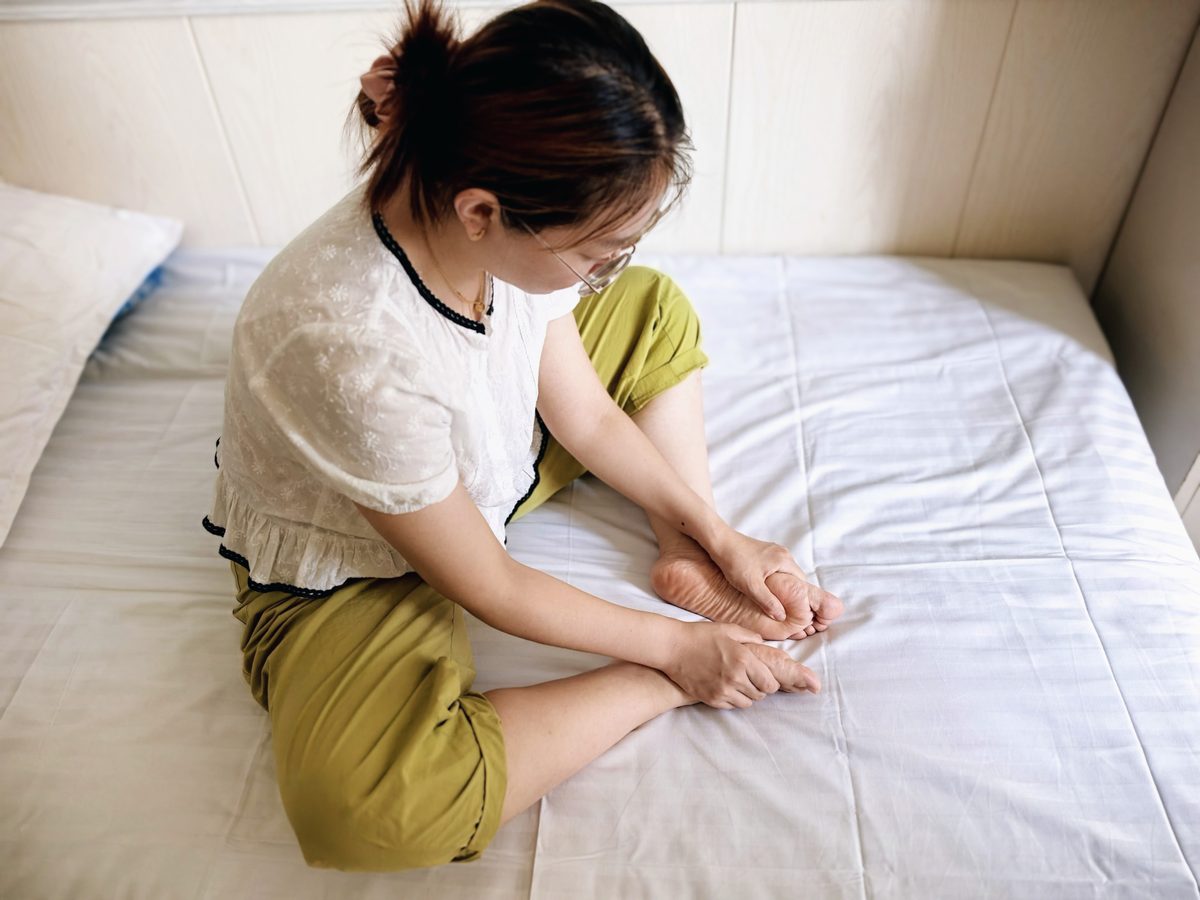
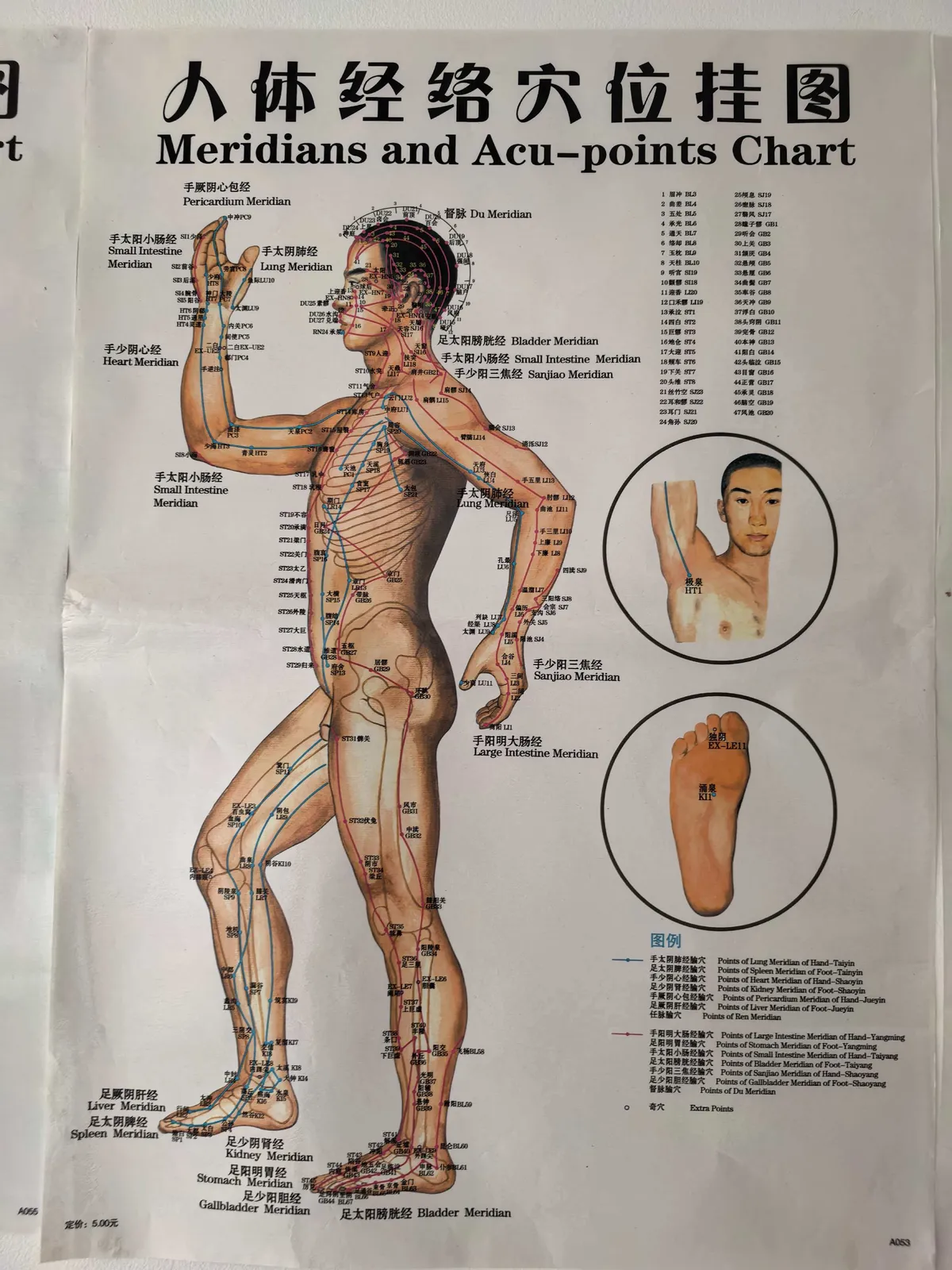
Acupressure is the practice of applying gentle, steady pressure to specific points on the body using nothing but your fingers. This page is the starting point for the section: what acupressure is, how to press, which points to learn first, and who should not press.
Everything here treats acupressure as home self-care for relaxation and everyday comfort - not a treatment, and not a substitute for professional care.
In Traditional Chinese Medicine (TCM), the body is described in terms of qi - often translated as vital energy - and meridians, the pathways qi travels along. Acupoints are spots along those pathways, and acupressure works with the most accessible, gentlest of them.
Modern anatomy describes it differently: many classic points sit where nerves run close to the surface or where muscle and fascia meet, which is why steady pressure there is easy to feel. Either way, the practical part is the same.
It also helps to be clear about what acupressure is not:
Technique matters more than duration. These rules apply to every point on this site.
Press with clean hands, on intact, bare skin, while sitting or lying comfortably. Keep sessions short - five to ten minutes is plenty while you are learning.
There are hundreds of acupoints on the traditional map, and you do not need most of them. Start with the hands and feet: they are easy to reach, easy to see, and you can press them almost anywhere - at a desk, on a train, in bed.
The same principles later extend to the wrist, shoulder, neck, and head, but everything here starts at the hands and below the knee. Our five gentle foot and leg acupressure points cover a beginner-friendly set with location guides, hold times, and safety notes - learn those five before adding more.
Acupressure rewards regularity far more than intensity. What separates a practice that sticks from one that fades is almost always scheduling, not enthusiasm.
If a structured start helps, our 7-day gentle acupressure routine lays out exactly what to do each day of the first week.
Many people use acupressure as the bridge between a busy day and sleep. The goal is not to knock yourself out - it is to give your nervous system a few quiet minutes before the lights go out.
A simple evening flow: wash or soak your feet first, so the skin is clean and warm. Sit or lie somewhere comfortable with the lights low. Choose two or three points you already know, press slowly, and let each hold run a full 30 to 60 seconds while you breathe out long. Then go straight to bed - it works best as the last thing you do.
Two related pages go deeper: the gentle acupressure evening routine walks through a five-minute version with three beginner points, and gentle acupressure for daily stress covers a two-minute pause for tense days.
Gentle does not mean risk-free for everyone. Skip acupressure - or check with a qualified healthcare professional first - if any of the following apply:
Stop immediately if pressing brings pain, dizziness, nausea, bruising, or swelling. Acupressure does not diagnose, treat, cure, or prevent any disease, and no point on this site is a reason to delay medical care.
Thirty to sixty seconds per round, two or three rounds with full releases between them. If a minute feels like plenty, it is - longer is not better.
No. Points are small, but your finger is wide, and the tissue around a point responds too. Get the general area right and trust comfort over precision; if a spot feels sharp or nervy, move a little.
Massage moves over large areas and works the muscles broadly; acupressure stays still, on purpose, on small defined spots. Slower pace, narrower target - many people use both.
Usually a mild, dull soreness or a warm, heavy sensation - noticeable but comfortable. Sharp pain, tingling, or numbness means too much pressure or the wrong spot. Ease off.
Start here if you're new to acupressure. Learn the technique, safety rules, and who should avoid it.
Step-by-step guide to five beginner-friendly points on the feet and lower legs, with clear safety rules.
A structured week of gentle acupressure and simple foot-care movements - safe, simple, daily self-care.
Five gentle acupressure points that some people find calming during stressful moments.
Three gentle face points for a stuffy nose - where they sit, how to press them, and when to call a professional.
Where LI4 (Hegu) sits on the hand, how to press it for comfort while you wait for the dentist - and when swelling means urgent care.
Where SP6 (Sanyinjiao) sits, plus two supporting points for period-cramp comfort - with honest limits and clear safety notes.
A five-minute evening routine with three simple points, safety rules, and clear limits - for comfort only, not insomnia treatment.
What gentle acupressure can and cannot do for daily stress, with two simple points and a two-minute pause routine.
Start With the Free Guide
Get the free 7-Day Chinese Self-Care Starter Guide by email first. The full PDF book includes all five acupressure points with detailed guidance, plus a 7-day starter routine and seasonal adjustments.