Chinese Self-Care Explained Simply
This site is written for people outside China who are curious about Chinese self-care but do not want a textbook, a medical encyclopedia, or confusing theory. The goal is simple: help readers understand safe everyday practices such as food therapy, warm foot baths, gentle acupressure, seasonal routines, sleep support, digestion support, and stress-relief rituals.
Chinese wellness traditions can feel distant when they are translated too literally. Here, the focus is plain language, real-life routines, and clear safety boundaries.
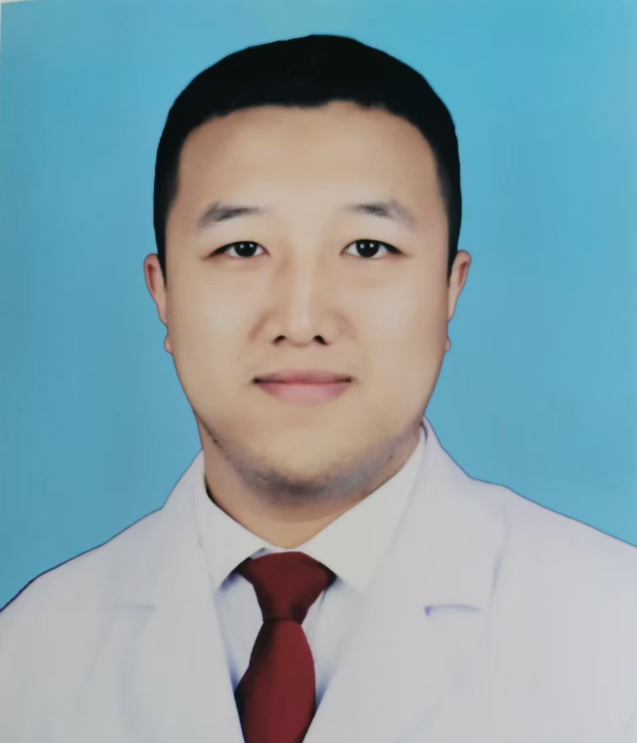 Written by Dr. Wang
Dr. Wang is a Traditional Chinese Medicine practitioner and Master of Traditional Chinese Medicine, with 8 years of formal TCM education and 8 years of clinical practice experience in TCM internal medicine. Dr. Wang created this site to share safe, practical Chinese self-care ideas with an international audience, without making medical promises or replacing professional healthcare.
Credentials
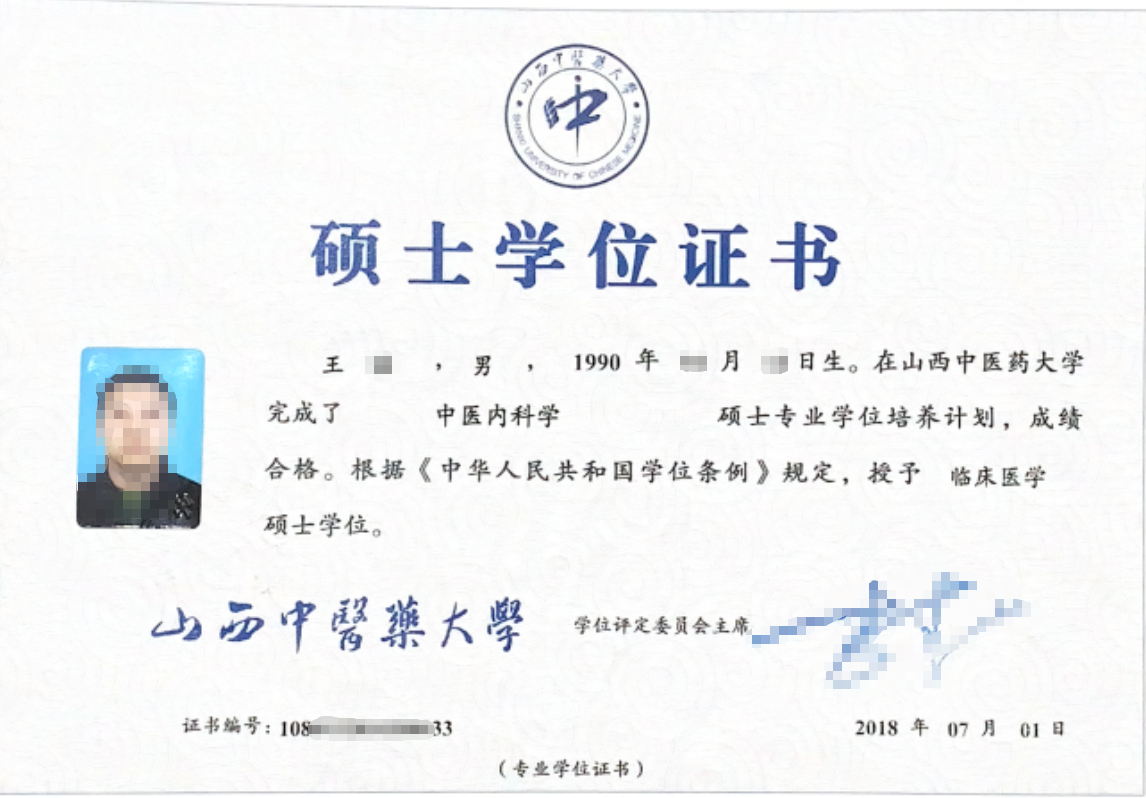
Master's degree certificate — click to view full size.
Personal ID numbers redacted for privacy.
Master of Medicine (Traditional Chinese Medicine)
- Institution: Shanxi University of Chinese Medicine (山西中医药大学)
- Specialization: TCM Internal Medicine (中医内科学)
- Degree conferred: July 2018
- Degree type: Master of Medicine, Clinical Medicine track
Shanxi University of Chinese Medicine is a state-accredited institution of higher education in China specializing in Traditional Chinese Medicine. The TCM internal medicine specialization covers digestive, respiratory, sleep, and stress-related conditions — the same clinical territory that shapes the content on this site.
Following the master's degree, Dr. Wang has practiced clinically for 8 years, applying TCM principles to everyday patient concerns. The content on this site is drawn directly from that training and clinical experience — not from popular sources or generic wellness content.
Our Method: The Tri-Factor Environmental Adaptation Model
yīn rén · yīn dì · yīn shí — adapt to the person, adapt to the place, adapt to the time.

Classical Chinese medicine has a phrase for good clinical judgment: 因人、因地、因时制宜 — "tailor to the person, tailor to the place, tailor to the time." It is not folklore. It is the framework that shapes every article, every quiz, and every personalized report on this site. We call it the Tri-Factor Environmental Adaptation Model.
Your Baseline
Your TCM body pattern — how you tend to run warm or cool, damp or dry, calm or wired. Steady over months.
Your Local Climate
Where you actually live — humidity, temperature, wind, sun hours. London damp and Phoenix dry ask for different food and rest.
Your Seasonal Shift
The 5-day weather trend you are actually walking into. A cold front lands differently on a warm baseline than on a cool one.
Local Chrono-Schedule
On top of the three factors, we layer a local chrono-schedule — the sunrise, sunset, meal, and wind-down times specific to your city and season. Chinese wellness has always cared about when you eat, sleep, and rest, not only what. A 9 pm dinner in Sydney summer is not the same as a 9 pm dinner in London winter. The chrono-schedule adjusts the timing suggestions to your daylight, not to a generic clock.
This is what makes our free quiz, our $39 assessment, and our $79 custom meal plan different from generic wellness content: they are not templates. They read your baseline, then adjust for your environment and the week ahead.
Why This Site Exists
Dr. Wang chose to study Traditional Chinese Medicine because of its depth and its attention to everyday health: food, rest, seasons, body awareness, and daily habits. This website turns that professional background into beginner-friendly English articles for readers who want practical self-care, not academic terminology.
What You Will Find Here
- Sleep and evening routines for quiet, safer wind-down habits.
- Digestion and food therapy using familiar everyday ingredients.
- Stress-relief self-care such as breathing, warmth, and gentle routines.
- Seasonal wellness explained in simple, modern language.
- Foot bath and acupressure guides with safety notes on every relevant page.
What This Site Is Not
- Not a medical clinic or consultation service.
- Not a source of diagnosis, treatment, prescriptions, or personalized health plans.
- Not a replacement for a doctor, licensed healthcare professional, or local medical care.
- Not a claim that Chinese medicine should replace modern healthcare.
Editorial Standards
- Use simple English instead of textbook language.
- Explain Chinese wellness ideas through daily situations people actually search for.
- Keep safety notes visible and conservative.
- Use references where they help readers understand modern safety context.
- Frame these practices as wellness support that can sit alongside professional healthcare.
The public build notes behind this and other AI-assisted website projects are documented separately at Build With Less AI. This wellness site stays focused on general self-care education, while Build With Less AI records the AI workflow, website building, and SEO process.