Chinese Foot Bath Basics: A Safe Beginner's Guide
Everything you need to know before your first soak — temperature, timing, safety rules, and a simple evening routine.
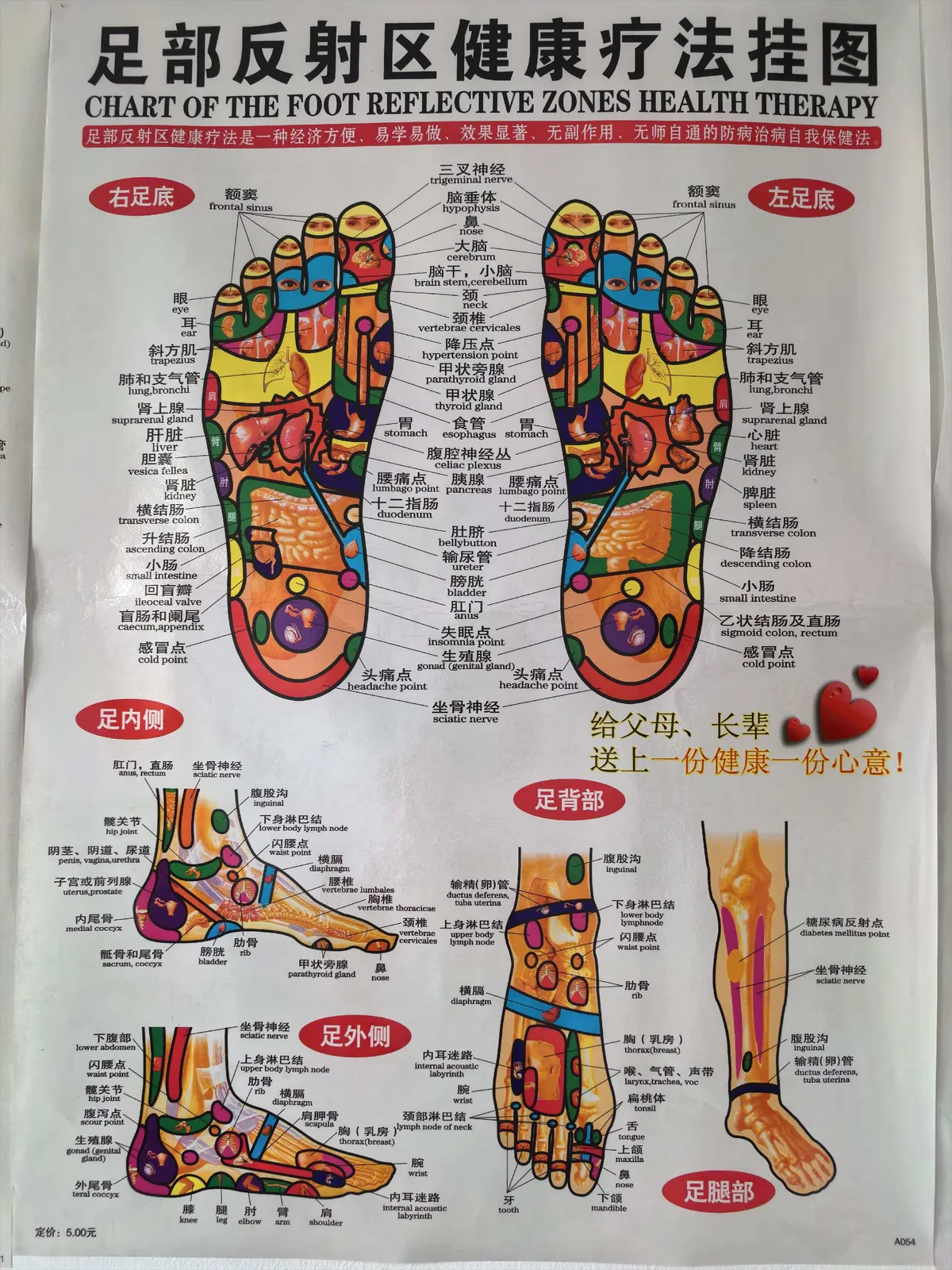
Foot baths are one of the simplest and most accessible Chinese wellness practices. A warm foot soak in the evening can help you unwind, feel more comfortable, and create a calming bedtime routine. It's a practice of daily self-care, not a cure for anything.
A Chinese foot bath (also called a foot soak) is a warm-water self-care ritual: you immerse your feet and lower legs in comfortably warm water, usually in the evening, to help you unwind and settle into a calmer state before bed. In Chinese wellness tradition, the feet are seen as the body's far edge — the place where circulation and warmth can flag first, especially in cold weather. Warming them gently is a long-standing everyday habit, not a medical treatment. Think of it as the Chinese equivalent of a warm shower before bed: a comfort practice that has no clinical claim attached to it.
Foot baths are gentle, but they are not for everyone in every situation. Skip the soak — or ask a clinician first — if you have:
Never use water so hot that it stings, and never add essential oils directly to the water without diluting them first. If you feel dizzy, faint, or uncomfortable at any point, stop and lift your feet out.
Each article below covers one specific angle of the practice, with its own safety notes.
Everything you need to know before your first soak — temperature, timing, safety rules, and a simple evening routine.
The exact temperature and duration, why 38–40°C and 15–20 minutes, and how often to soak.
Step-by-step instructions for a calming wind-down, plus who should skip foot baths entirely.
Just warm water and a quiet moment — the simplest version of the practice.
The common slip-ups that quietly undercut the comfort, and how to avoid each one.
A warming ginger recipe for cold evenings, with clear guidance on who should avoid it.
How mugwort (ai ye) is traditionally used in a foot soak, and the comfort-focused way to try it.
Chamomile, ginger, and other gentle additions — and how to use them safely.
How Epsom salt and Chinese herbal soaks differ, with simple recipes to try.
Why your feet are always cold, the TCM view, and five warming habits — plus symptoms that mean seeing a doctor first.
Why some people sweat during a soak, and what the Chinese medicine tradition makes of it.
38–40°C (100–104°F). Warm and comfortable, never hot enough to sting, and always checked with a thermometer rather than by hand.
15–20 minutes is enough. Soaking longer does not add benefit and can over-soften the skin.
A short daily or several-times-a-week evening soak is comfortable for most people. Listen to your skin and how you feel; if your feet feel over-softened or irritated, soak less often.
Many people find the warm, quiet evening ritual helps them relax before bed. It is a comfort practice, not a treatment for insomnia.
People with diabetes or peripheral neuropathy, open wounds or skin infections on the feet, or significant circulation problems should check with a clinician first.
Start With the Free Guide
Get the free 7-Day Chinese Self-Care Starter Guide by email first. The full PDF book includes six foot bath routines for different seasons and preferences.