Ginger Tea for Cold Weather: When It Fits and When to Skip It
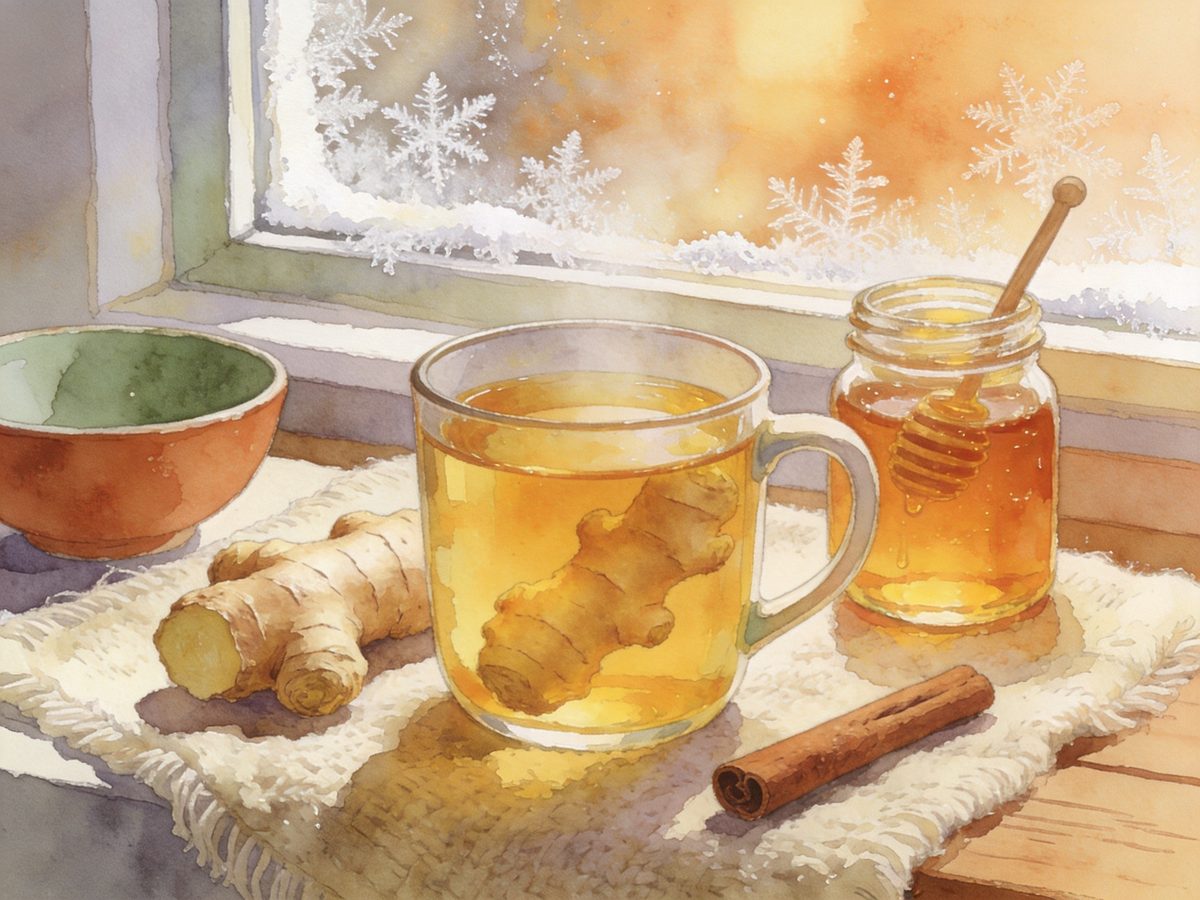
On a cold morning or a chilly evening, few things feel as comforting as a cup of warm ginger tea. In Chinese food therapy, ginger has long been valued as a warming ingredient - part of everyday eating, not a medical treatment. This article explains what ginger tea can offer as a daily self-care ritual, who might enjoy it, and - just as importantly - who should skip it.
What Ginger Tea Is (and Isn't)
In Chinese wellness tradition, fresh ginger (sheng jiang) is considered a warming food. The idea is simple: warming foods can feel comforting in cold weather, much like a warm bowl of soup or a hot bath. Ginger tea is simply fresh ginger steeped in hot water - a beverage, not a medicine.
This is important: ginger tea is not medical care. If you're feeling unwell, see a qualified healthcare professional. This article presents ginger tea as a warm drink that many people find pleasant - nothing more, nothing less.
Safety Note
If you are pregnant, take medication, or have a medical condition, consult a qualified healthcare professional before trying any self-care practice. Full safety notes.
Who Might Enjoy Ginger Tea
- People who enjoy warm, mildly spicy beverages on cold days.
- Those looking for a caffeine-free alternative to tea or coffee in the evening.
- Anyone who finds warm drinks comforting as part of a relaxation routine.
Who Should Skip It or Be Cautious
- People taking blood-thinning medication - ginger may increase bleeding risk.
- Pregnant women - consult your healthcare provider before using ginger regularly.
- People with gallstones - ginger may stimulate bile production.
- Those with acid reflux or GERD - ginger's spicy character may trigger symptoms in some people.
- Anyone scheduled for surgery - stop ginger at least one week before and inform your surgeon.
- People with a known allergy to ginger.
How to Make a Simple Ginger Tea
- Choose fresh ginger. Look for firm, smooth ginger root at your grocery store. Avoid pieces that are wrinkled, soft, or moldy. You'll need about 3-5 thin slices (roughly the size of a coin) per cup.
- Prepare the ginger. Wash the ginger thoroughly. You don't need to peel it if it's clean - just slice it thinly. Thin slices release more flavor.
- Steep in hot water. Place the ginger slices in a mug or teapot. Pour freshly boiled water over them. Cover and let steep for 5-10 minutes. The longer it steeps, the stronger and spicier it becomes.
- Optional additions. Some people enjoy adding a small amount of honey or a slice of lemon for taste. These are personal preferences - not required and not medicinal.
- Drink warm, not scalding. Let the tea cool to a comfortable drinking temperature. Burning your mouth or throat defeats the purpose of a comforting ritual.
When to Drink It
Ginger tea fits well into a cold-weather morning or evening routine. Many people find a warm cup in the evening helps them feel relaxed before bed. There's no "right" time - pay attention to what feels comfortable for you.
Aim for 1-2 cups per day at most. More is not better. If you notice any digestive discomfort, heartburn, or irritation, stop and reconsider whether ginger tea is right for you.
When Ginger Tea Doesn't Fit
- In very hot weather - warming foods and drinks may feel less comfortable. Listen to your body.
- If you're already feeling overheated or flushed - skip the ginger and drink room-temperature water instead.
- If you have a fever - this is a sign to see a healthcare professional, not a time for food therapy.
When to Stop
Stop drinking ginger tea and consult a healthcare professional if you experience:
- Heartburn, stomach pain, or digestive upset that persists.
- Mouth or throat irritation.
- Any allergic reaction (rash, itching, swelling).
- Unusual bleeding or bruising.