Walking After Meals: The Chinese Habit of "A Hundred Steps"
Introduction
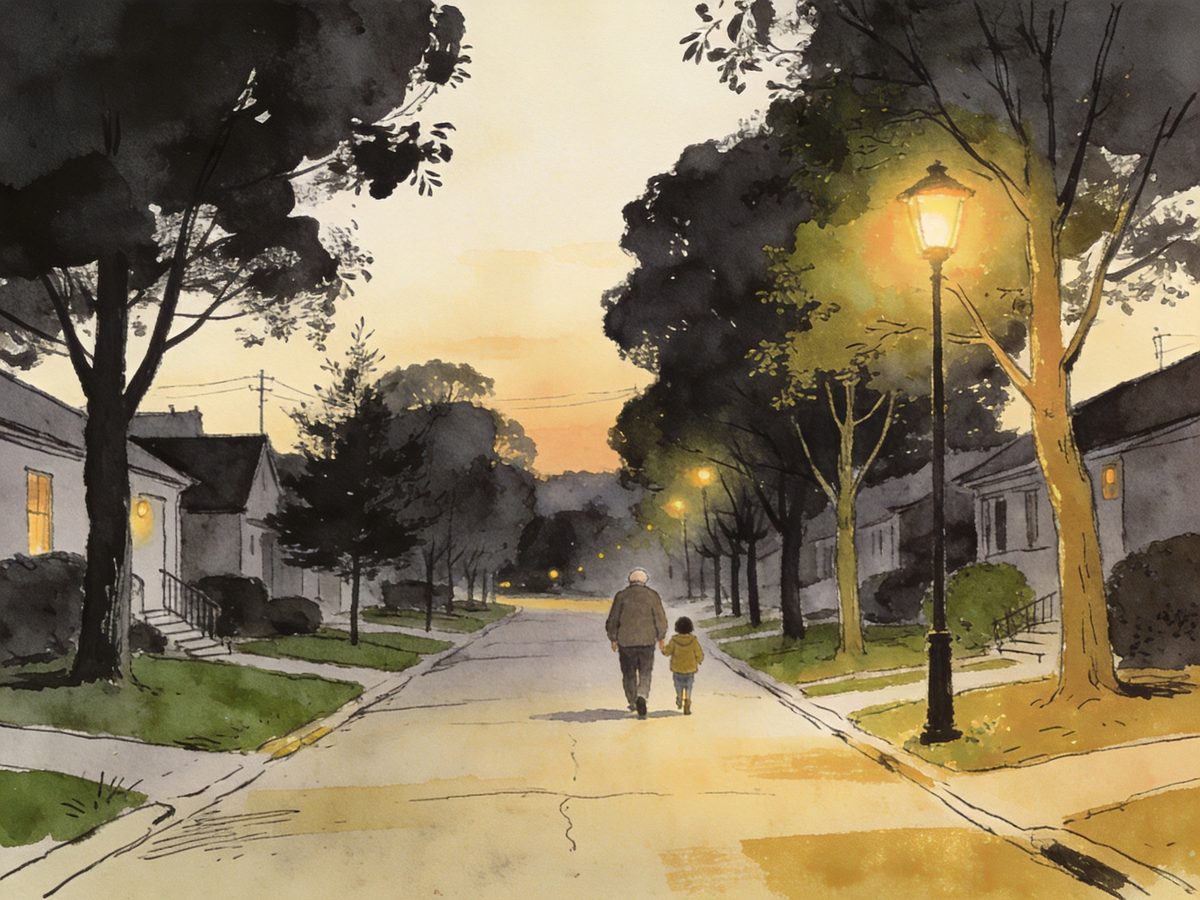
One more scene from the viral "Becoming Chinese" and "Chinamaxxing" videos: dinner ends, plates are cleared, and instead of collapsing onto the couch, the whole family puts on shoes and heads outside. Not for a workout — for a slow, unhurried stroll around the block.
There is an old Chinese saying behind it: 饭后百步走,活到九十九 — walk a hundred steps after a meal, and you may live to ninety-nine. Like most proverbs, it overpromises. But as a habit, the after-dinner walk is one of the most quietly sensible things in the entire Chinese wellness routine.
Here is where the habit comes from, what it realistically does for you — and what it does not — plus a simple way to try it this week.
Where the Habit Comes From
The "hundred steps" line traces back through centuries of Chinese folk wisdom, and traditional Chinese medicine (TCM) offers its own reasoning: after a meal, the body's focus turns to digestion, and gentle movement is thought to support that process by keeping things moving rather than sitting still. In TCM terms, moderate activity helps the Spleen "transport and transform" — the traditional job description for turning food into usable energy.
There were also practical reasons. In many Chinese cities, the after-dinner walk doubles as the neighborhood's social hour: retirees stroll in groups, children tag along, and the evening ends with a loop around the compound rather than another hour of screens.
The habit is so ordinary in China that nobody calls it a "wellness practice." It is just what you do after dinner — the same way hot water is just what you drink.
What an After-Meal Walk Honestly Does
Let us separate tradition, common sense, and hype.
Reasonably supported by everyday experience:
- Gentle movement after eating simply feels good. A slow stroll beats slumping into a chair for most people — it keeps you from that heavy, overly full feeling.
- It adds steps without adding effort. A ten-minute walk is modest, but done nightly, it quietly becomes one of the largest contributors to a person's daily movement.
- It creates a natural end to the meal. Many people snack not from hunger but from inertia — the kitchen is right there. Leaving the house closes the chapter.
- It is a ritual, and rituals regulate. A predictable after-dinner rhythm signals "the day is winding down," which pairs naturally with the evening wind-down habits many families stack onto it.
Where the hype overreaches:
- Walking after meals is not a treatment for any condition, and it will not "cancel out" a meal.
- The "live to ninety-nine" part is proverb arithmetic, not data. Longevity comes from a whole life pattern, not one habit.
- Intensity matters in the other direction too: this is a stroll, not a workout. Hard exercise immediately after a big meal is a different thing entirely and is not what the tradition recommends.
The honest summary: it is a low-cost, low-risk habit that tends to make evenings slightly better. That is exactly what most of the viral Chinese habits turn out to be.
How to Try It: The Uncomplicated Version
The tradition is beautifully simple, so the instructions should be too:
- Finish the meal, tidy up briefly. No need to rush out mid-bite.
- Walk for 10–15 minutes at a pace where you could still chat. Around the block, around the garden, even up and down the corridor on rainy nights.
- Do not count anything. The "hundred steps" is poetry. Ten relaxed minutes does the job.
- Make it social if you can. The Chinese version is a family affair — a partner, a kid, a dog, or a phone call with a friend all work.
- Keep it nightly rather than heroic. Consistency is the entire point of the habit.
One sensible caveat: if you have a medical condition that affects your ability to walk, or your doctor has given you specific guidance about activity after meals, follow that advice first. A cultural habit never overrides individual medical care.
The Bigger Picture: Rhythm, Not Remedy
The after-dinner walk fits the same pattern we keep finding in this series: Chinese wellness habits are less about individual "hacks" and more about a daily rhythm — warm food, warm drinks, gentle movement, an unhurried evening, and a reasonable bedtime.
None of it is magic. All of it is repeatable. If you want one habit from the viral trend to actually keep, this is arguably the best candidate: free, pleasant, and almost impossible to do wrong.
This article explains cultural traditions for general interest. It is not medical advice, and nothing here diagnoses or treats any condition.