Sleeping With Wet Hair: What Chinese Tradition Says (and Doesn't)
Introduction
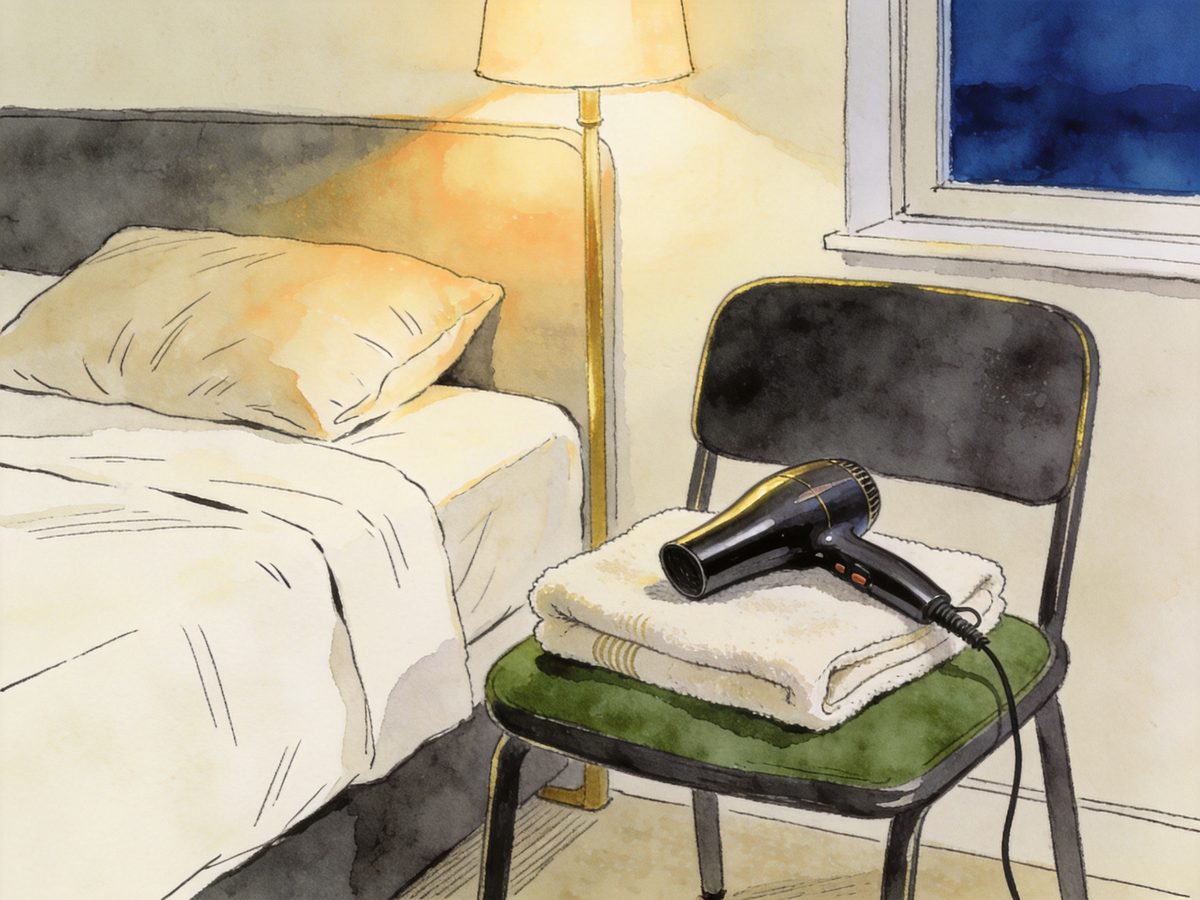
In the viral "Becoming Chinese" and "Chinamaxxing" videos, one small detail keeps puzzling Western viewers: whatever time it is, people dry their hair completely before bed. No sleeping with wet hair. Grandmothers enforce it. Hair dryers are considered as basic as toothbrushes.
In Chinese households the rule is near-universal, and traditional Chinese medicine (TCM) has a clear explanation for it. Meanwhile, plenty of Western forums repeat a scarier version: sleep with wet hair and you will catch a cold.
This article separates the three layers — the tradition, the folklore, and the honest science — because the truth is more interesting than either extreme, and the habit still turns out to be worth keeping.
The Traditional Logic: Cold and Damp
In TCM's pattern language, two influences are treated with particular respect: cold (寒) and damp (湿). Cold is associated with contraction — the reason winter calls for scarves over the neck and warmth at the lower back. Damp is associated with heaviness and sluggishness — the reason rainy, humid weather is blamed for that foggy, unmotivated feeling.
The head holds a special place in this framework: it is called the meeting place of all the yang channels, the most exposed and "outward" part of the body. Going to bed with wet hair, in this view, combines the two things the tradition avoids — cold and dampness — applied directly to the head, at the hours when the body is settling into rest. This is the same warmth logic behind drinking hot water and keeping the feet warm, which is why indoor slippers and dry socks appear in the same households.
So in a Chinese family, drying your hair before bed is not fussiness. It belongs to the same system as the after-dinner stroll and the evening foot soak: keep the body warm and dry, and let it rest.
The Honest Science
Here is the part where we must be fair to the evidence:
- Wet hair does not cause colds. Colds are caused by viruses, and you catch them from exposure to those viruses — not from being chilly or damp. A damp pillow is not a pathogen delivery system.
- There is no good evidence that sleeping with wet hair causes headaches, facial nerve problems, or any of the scarier outcomes sometimes repeated online. If you read a claim like that, treat it as folklore, not medicine.
- What is genuinely true is more mundane: going to bed with wet hair can leave the pillow damp night after night, and a constantly damp pillowcase is a friendly environment for dust mites and for the microbes that create that "morning-after" smell. Wet hair is also more fragile and prone to friction damage when tossed against a pillow.
So the honest framing is: sleeping with wet hair will not make you sick, but drying it first is still the better habit — for hygiene, for your hair, and simply because waking up with cold, damp hair feels worse than waking up comfortable.
The Chinese tradition reached a sensible conclusion, even if its original reasoning was about cold and damp rather than dust mites.
How to Try It: The Uncomplicated Version
- Wash earlier if you can. Washing hair right after dinner — rather than right before lights-out — gives it time to air-dry.
- Towel-dry well, then finish with a dryer on warm, not scorching. The goal is dry and comfortable, not heat-styled.
- If you go to bed slightly damp anyway, use a dry towel on the pillow. Swap it in the morning. That solves the hygiene half without any heroics.
- In winter, dry your hair before stepping outdoors too. The TCM instinct about cold on the head and neck maps neatly onto ordinary comfort — cold, wet hair in freezing wind is miserable no matter what framework you prefer.
That is the whole practice. No gadgets, no supplements, nothing to buy except maybe a decent towel.
The Bigger Picture
Like the hundred-steps walk after dinner, the dry-hair-before-bed rule is not a medical intervention hiding in a habit. It is a small act of nightly maintenance — keep the body warm, dry, and unhurried — that generations of households adopted without waiting for a clinical trial.
Some of the reasoning behind it does not survive modern scrutiny. The habit itself, it turns out, mostly does.
This article explains cultural traditions for general interest. It is not medical advice, and nothing here diagnoses or treats any condition.