BaZi series · Five elements & constitution
What Your Birth Elements Say About Your TCM Constitution
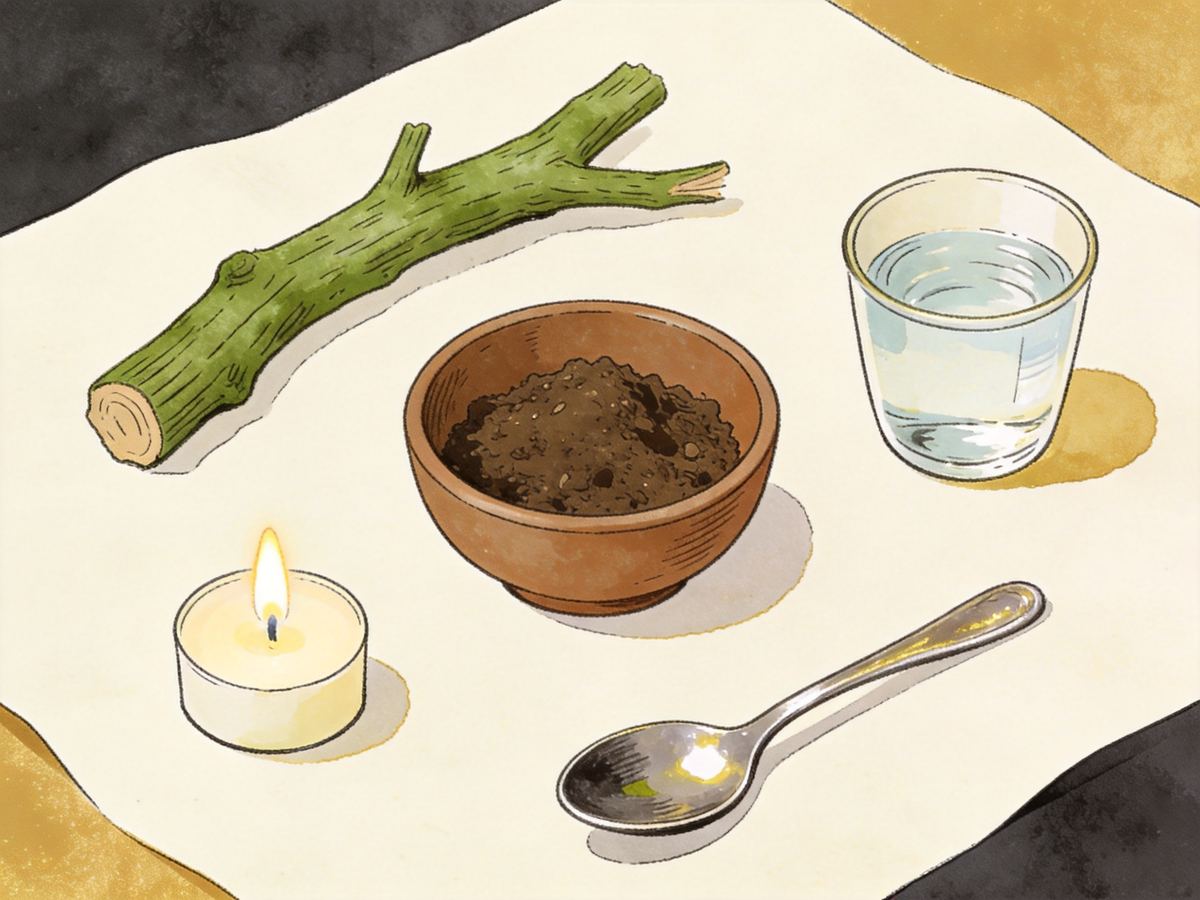
In East Asian wellness tradition, the moment you were born carries a “climate” of its own. The BaZi (Four Pillars) framework reads your birth year, month, day, and hour through the lens of five elements — Wood, Fire, Earth, Metal, and Water. Each of your four pillars carries an element pair, and together they sketch a natural constitution you then spend your life living with.
This article is a plain-English tour of what your element balance can point toward in TCM-style wellness thinking — and how to use it the way you would a mirror, not a script. No fortune-telling, no fatalism. Just a framework, a vocabulary, and a few honest caveats.
Why five elements? A quick, honest framing
Modern TCM practice doesn’t use the Five Elements to diagnose anything. Clinically, a practitioner works from your pulse, tongue, history, and how you feel today. The Five Elements are a descriptive language — an elegant way of organizing tendencies and relationships that helps people notice patterns they might otherwise miss.
Think of your birth elements as a weather report for the day you arrived: useful context about the kind of body you were likely handed, not a verdict about what will happen to it. What you do with that context — daily food, rest, movement, climate awareness — shapes far more of your wellbeing than the report itself.
The five elements, translated into everyday language
| Element | Everyday sense | What a strong presence can tend toward | What a gentler presence can look like |
|---|---|---|---|
| Wood (木) | Growth, flow, decisions, morning energy | A natural starter — people who like plans, movement, and forward motion | A slower ramp — may benefit from small routines that build momentum gently |
| Fire (火) | Warmth, alertness, connection, joy | Quick to light up — vivid, social, can run warm and fast | Cooler by default — may benefit from warm foods and moments of small joy |
| Earth (土) | Digestion, steadiness, home base | Rock-solid — steady appetite, steady mood, good at carrying things | Can be unsettled by irregular meals — regular eating times matter more |
| Metal (金) | Breath, boundaries, structure, clarity | Clear, ordered, protective — appreciates structure and fresh air | May notice dry environments or scattered days — breathing practice can help |
| Water (水) | Rest, renewal, depth, reserve | Deep and reflective — needs genuine quiet to refill | Runs on fumes more easily — early nights and warm feet help protect reserves |
Notice the language: “can tend toward”, “may benefit from”. That is deliberate. A birth chart is a tendency, not a sentence. Two people with identical charts can live completely different lives — the chart describes the starting soil, and you are the gardener.
How a chart actually gets read (no mysticism required)
Your Four Pillars come from your birth date and time, converted into the traditional calendar. Each pillar is a stem-branch pair, and each character maps to one of the five elements. Count the elements across your pillars and you get a simple distribution — for example, “lots of Metal, very little Water.”
- More of an element = a stronger natural tendency. It’s not automatically “good” — strong Wood can also mean pent-up tension when flow gets blocked. Strength needs direction, not applause.
- Less of an element = a gentler tendency. It’s not automatically “bad” — less Fire simply means you choose warmth by habit rather than by default.
- The balance matters more than any single element. A chart with no extreme is not boring; it’s blended. Blended constitutions often adapt to change more easily.
One thing to say plainly: exact birth time matters for the hour pillar, but it’s optional for a wellness snapshot. Year, month, and day already give you three quarters of the picture. If you only know you were born in the morning, that’s still enough to be useful.
Where this connects to TCM constitution types
The Five Elements are not the same thing as the classic TCM constitution types (qi deficiency, dampness, blood stasis, heat, and the rest). The element chart is the birth layer — a description of your starting setup. The constitution types are the lived-in layer — what years of diet, climate, stress, and sleep have done with that setup.
This is exactly why reading one without the other is incomplete. Your birth chart can say “gentle Fire”, but if you sleep poorly and eat cold food for years, you may live with a Fire-depleted pattern regardless. The useful question is never “which one is true?” — it’s “what does this layer add to what I already know about how I feel?”
How to actually use your element balance this week
Once you know your distribution, resist the urge to “fix” yourself. Instead, run one small, observable experiment per week:
- Strong Metal, little Water? Try one breathing-focused practice daily (slow nasal breathing, 5 minutes) and one genuinely early night. Watch whether your evenings feel less “on the edge.”
- Strong Wood, little Earth? Make meal times nearly sacred for 7 days — same hours, sitting down, chewed slowly. Watch whether afternoon energy steadies.
- Strong Fire, little Wood? Rather than suppressing the fire, give it direction: a morning walk, a project with a finish line, a warm breakfast before the day starts.
- Fairly balanced chart? Run the basics to a higher standard — regular meals, consistent sleep, daily movement, climate awareness — and note what changes.
Each experiment is a single variable, observable within a week, and reversible. If nothing changes, your chart was pointing somewhere less relevant than where your attention currently lives — that’s information too.
Read your own snapshot (free, 1 minute)
We built a free BaZi element snapshot tool that calculates your four pillars in your browser — nothing is stored or sent anywhere. It shows your element distribution, your day master, and short tendency-based guidance for each element, in the same careful language used above.
If the snapshot sparks something you want to take further, the natural next layer is the $39 TCM Assessment — where Dr. Wang reads your current-day pattern and adds the lived-in layer the chart can’t see.
The honest caveats
- This is not medical advice. Birth elements describe tendencies for self-reflection; they do not diagnose, treat, or prevent anything.
- Confirmation bias is real. Once you know your chart, you’ll look for ways it fits. Notice the misses too — they’re as informative as the hits.
- Your daily life outweighs your birth chart. A person who eats poorly for decades has a damp-heat pattern that no amount of “strong Earth energy” overrides. The chart is context; your habits are the main story.
- Culture, not fate. BaZi has a long and rich tradition that includes fortune-telling lineages. This article deliberately stays in the wellness-education lane — that’s our lane, and it’s the honest one for a self-care site.
In short: your birth elements are a useful map of a terrain you actually live on. Walk the terrain well — regular food, rest, movement, climate awareness — and the map becomes a conversation starter rather than a rulebook. That’s exactly how a wellness tool should work.